The Giant's Causeway Legend: Finn McCool Story and Where to See It
Last updated November 2026: the giants causeway legend says Fionn mac Cumhaill (Finn McCool), an Irish giant, built a causeway across the sea to fight the Scottish giant Benandonner. Geologists tell a different story, because the columns formed when volcanic basalt cooled and cracked. This page retells the tale, sets it beside the science and points you to the stones on the Antrim coast, which our Giant's Causeway guide covers in full.
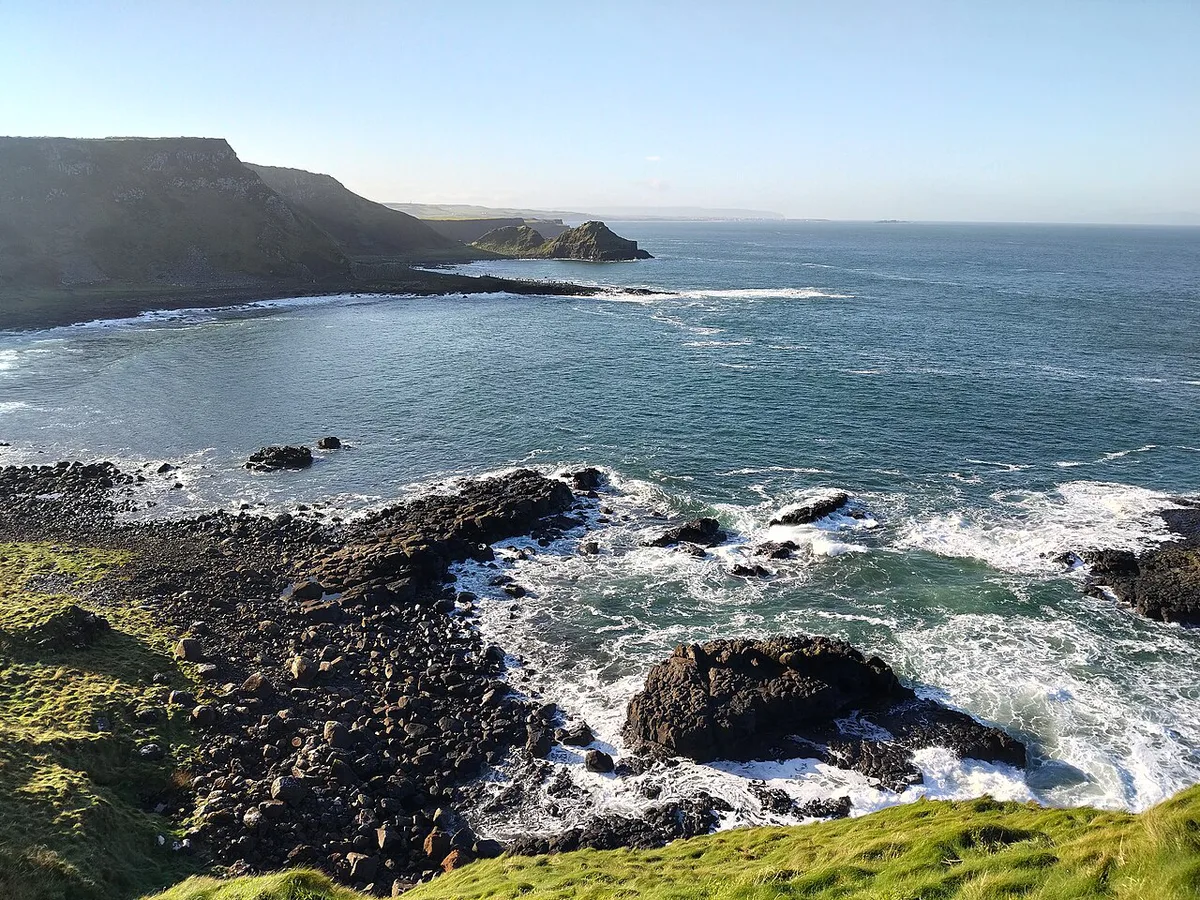
Featured image: Einaz80, CC BY-SA 4.0, via Wikimedia Commons.
The Giant's Causeway Legend in Brief
Fionn mac Cumhaill lived on the Irish side of the North Channel. Across the water in Scotland lived Benandonner, a rival giant who boasted that he could beat him. Fionn lost patience and began tearing up basalt columns from the Antrim coast. He laid them across the sea as a path to Scotland so the two could settle the argument. When the causeway was finished, Fionn was worn out. Benandonner was already on his way across, and the stones shook under his steps. What happened next depends on who is telling the story.
Variants of the Story
Folk tales were passed on by word of mouth, so no single telling is the official one. Two endings are the most common.
- In one version, Fionn falls asleep after the building work. His wife Oonagh hides him under a blanket and passes him off as their baby. Benandonner sees the size of the baby and decides the father must be enormous. He flees back to Scotland and rips up the causeway behind him.
- In another version, Fionn sees how big Benandonner is and panics. Oonagh disguises him as the baby, and the same escape follows.
- Both endings explain why the path stops at the water's edge. They also give you a good version for children, because the clever wife outwits the bully.
Legend vs Geology: What Actually Formed the Causeway
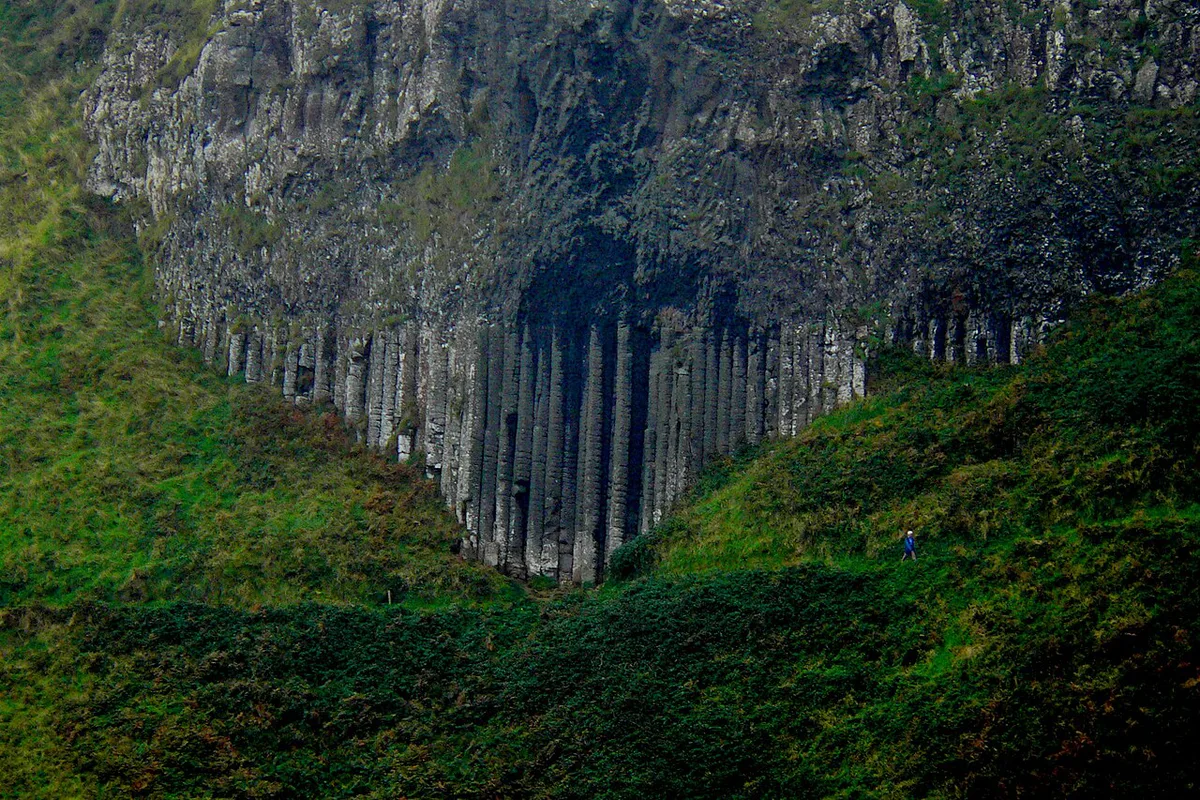
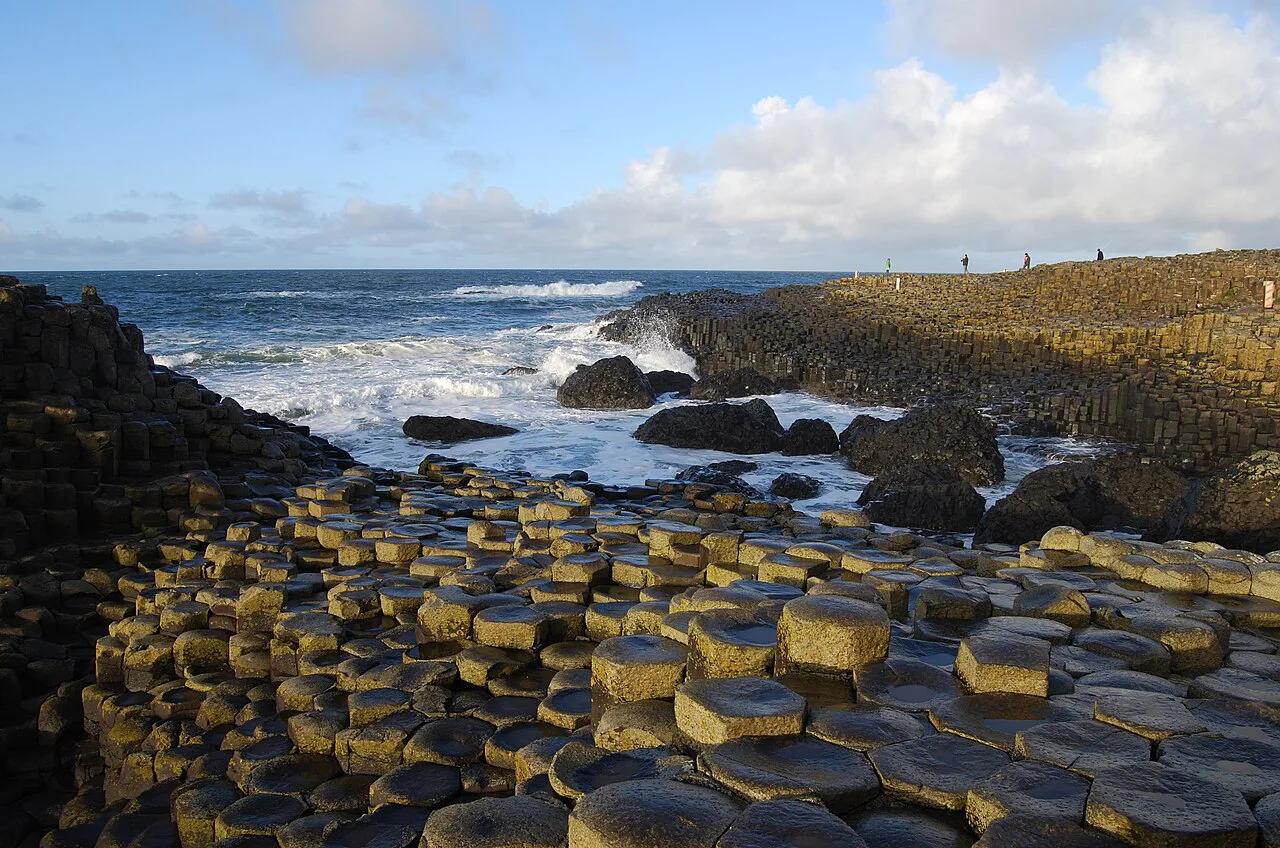
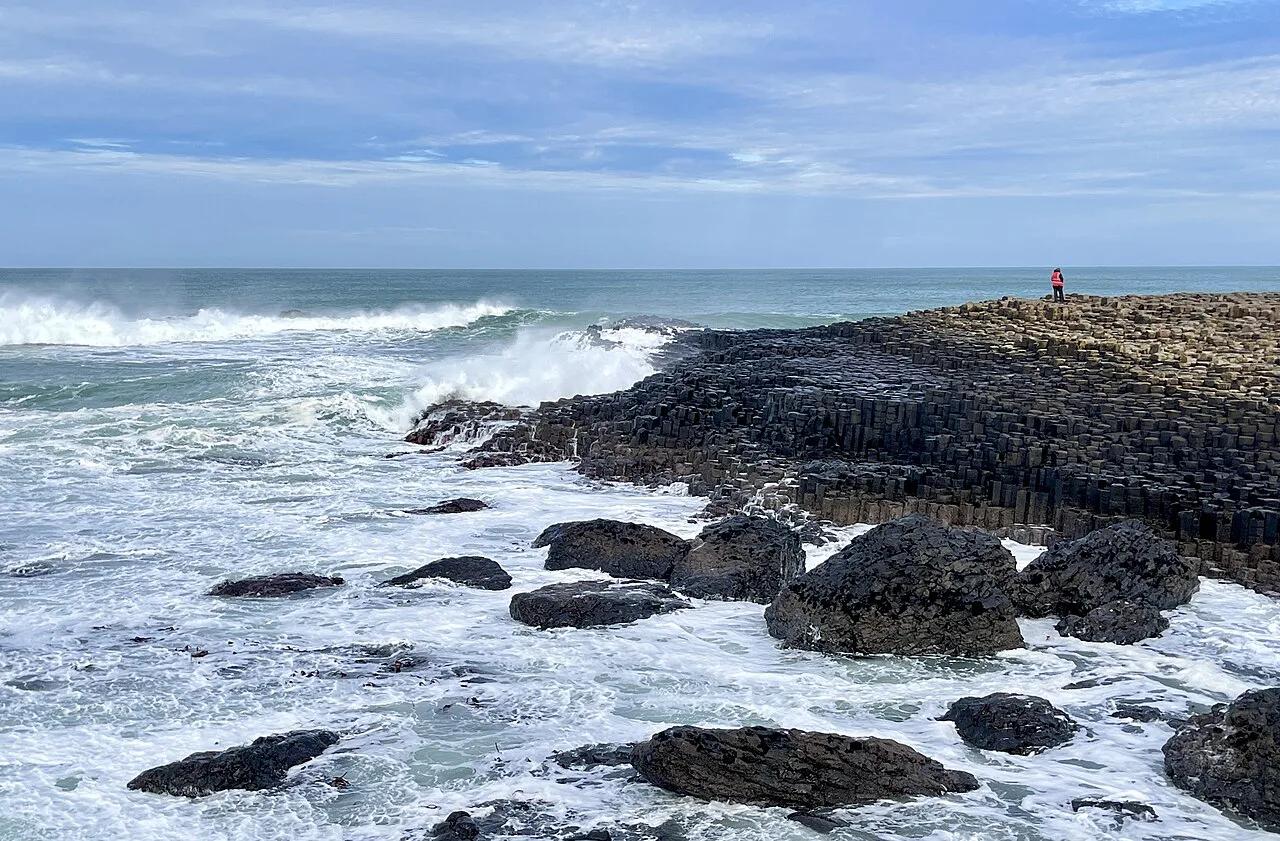
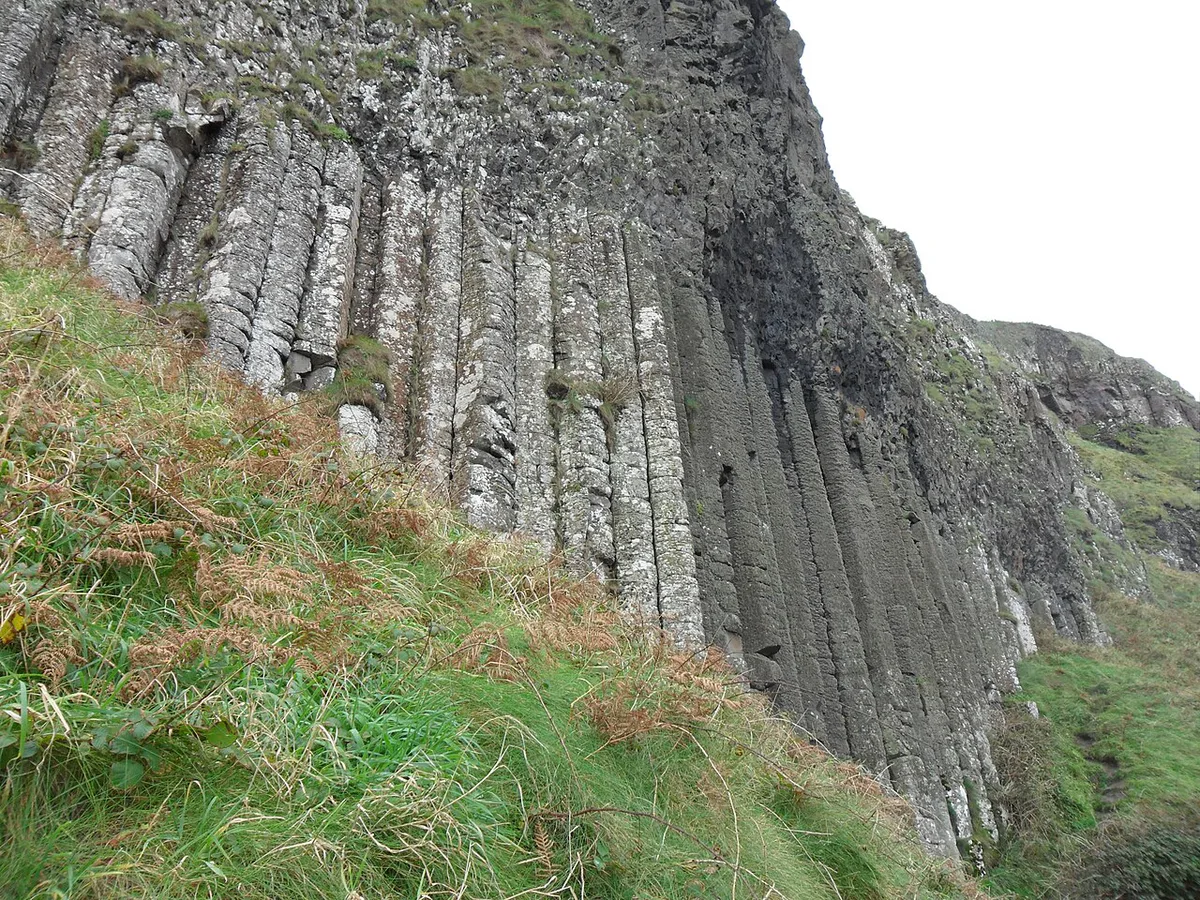
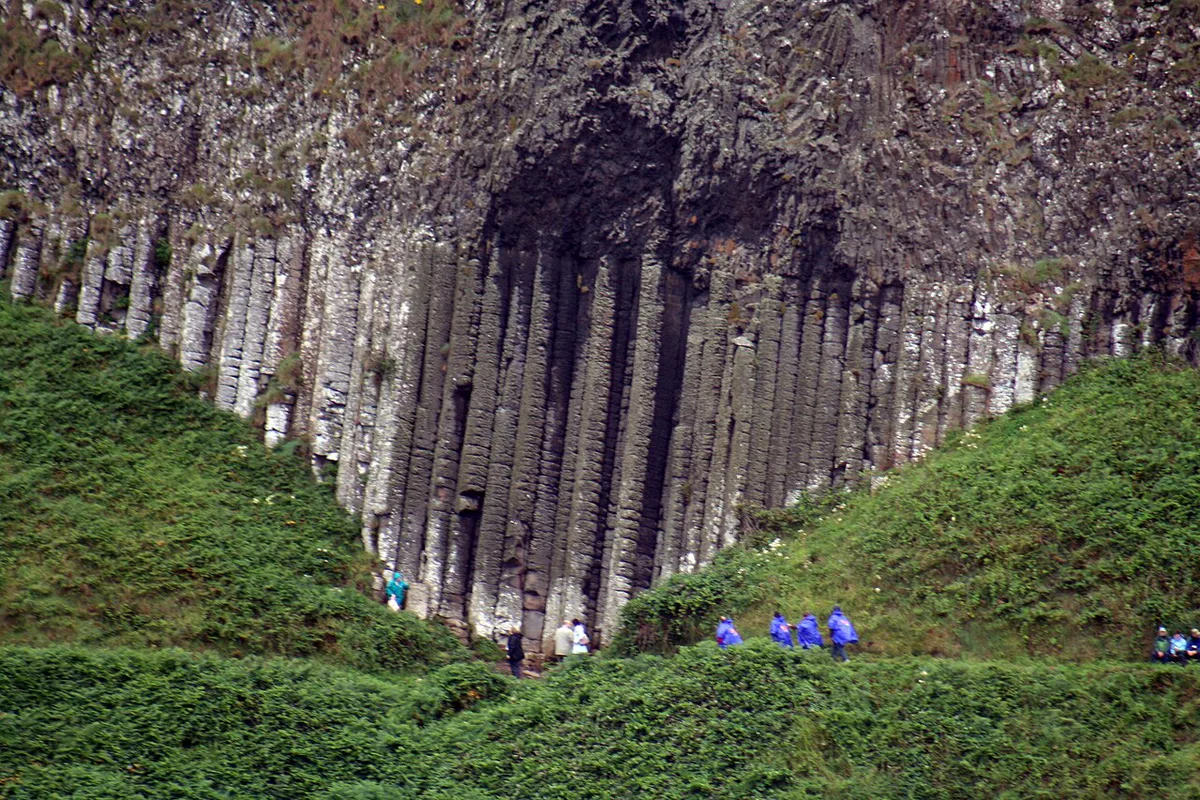
The rock tells its own story, and it does not involve a giant. Lava poured out in a volcanic age and cooled quickly. As it cooled it shrank and cracked into mostly hexagonal columns. Commonly cited figures put the formation at about 60 million years old and the column count above 40,000. Check both against National Trust site information before quoting them. The Antrim coast also has a Scottish echo. Fingal's Cave on the island of Staffa is made of similar basalt, and that match is why storytellers link the two coasts.
| Legend element | Scientific explanation | What to look for |
|---|---|---|
| Columns laid by Fionn | Lava cooled, shrank and cracked into columns | Mostly six-sided stone tops |
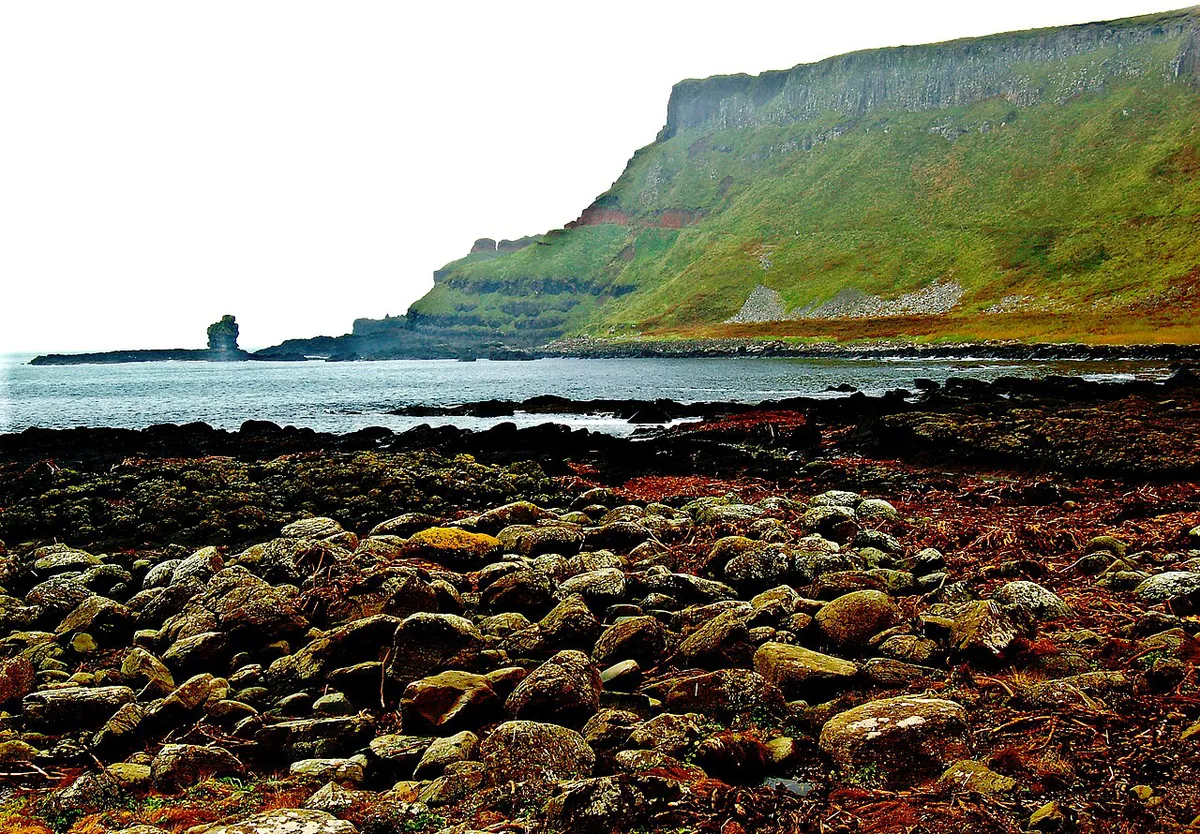
| Path across the sea | The rock continues under the water | Columns running down into the waves |
| Benandonner tears up the road | Erosion and the sea cut the formation back | Broken edges and uneven heights |
| Scottish giant's home | Matching basalt at Fingal's Cave on Staffa | Columns on both sides of the North Channel |
Legend Landmarks to Look For on Site
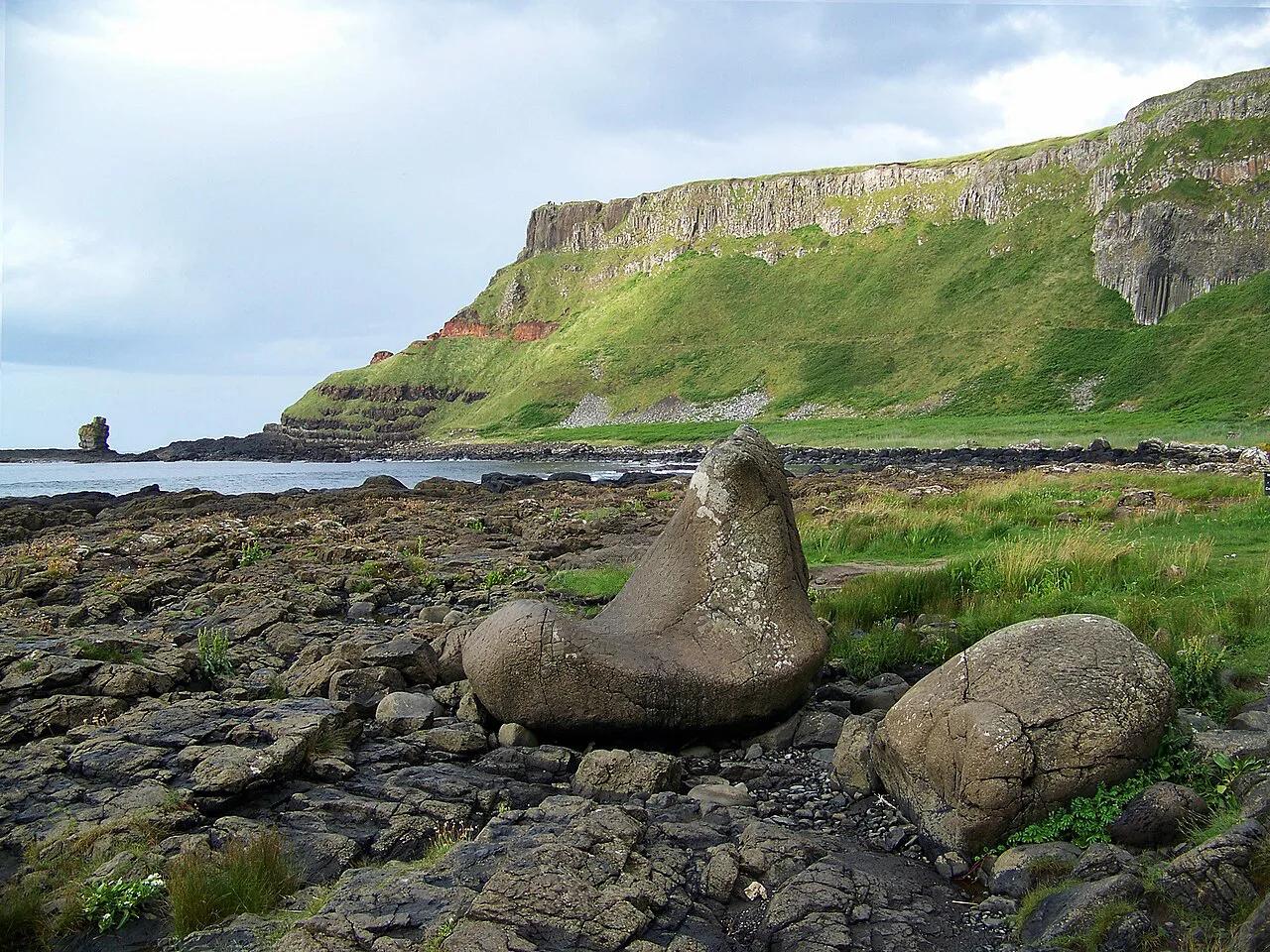
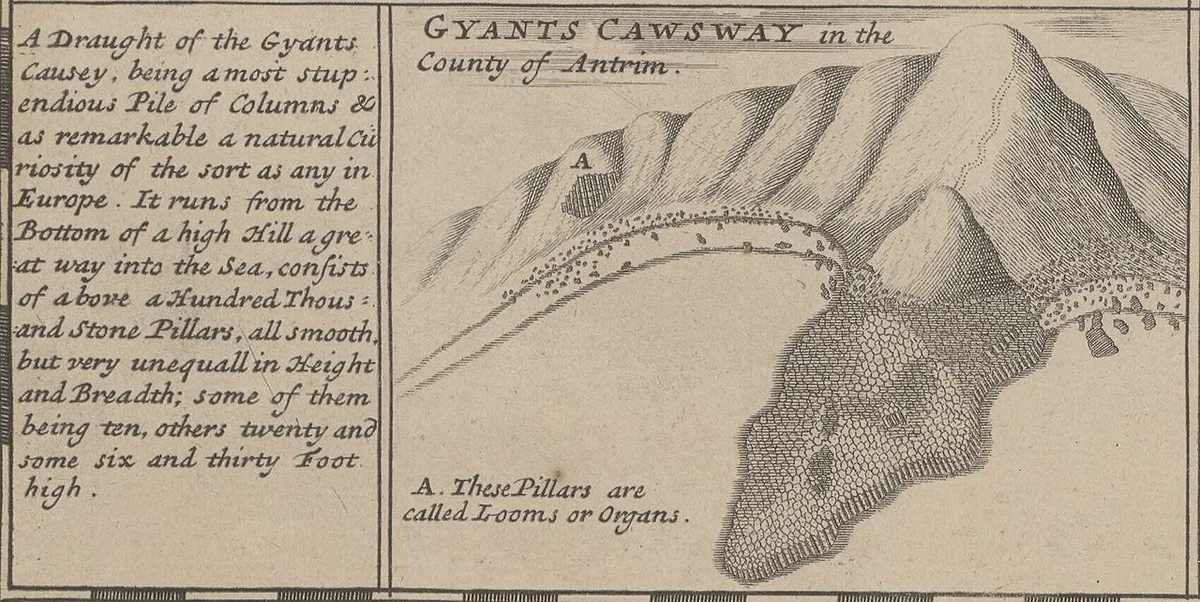
Guides and the visitor centre tie the story to named formations. The Giant's Boot, the Wishing Chair and the Camel are the names visitors hear most often. Look for the Boot as a boot-shaped stone, and for the Chair as a seat formed by columns. Names and trail access can change with weather and path works, so ask staff at the entrance which features are open. Do not rely on a photo's location. Each stone makes the legend easier to picture. The Boot, for example, is said to belong to Fionn himself.
Planning a Visit Around the Story
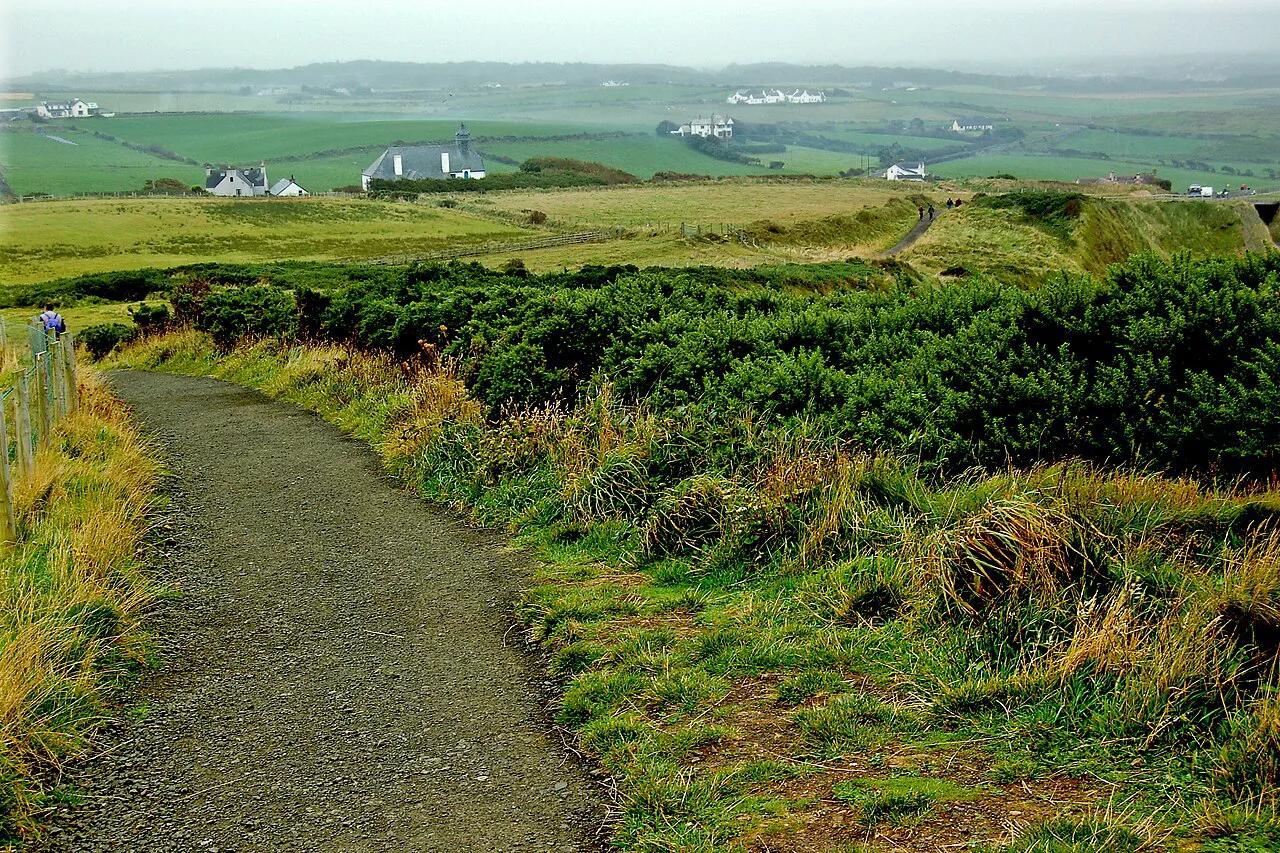
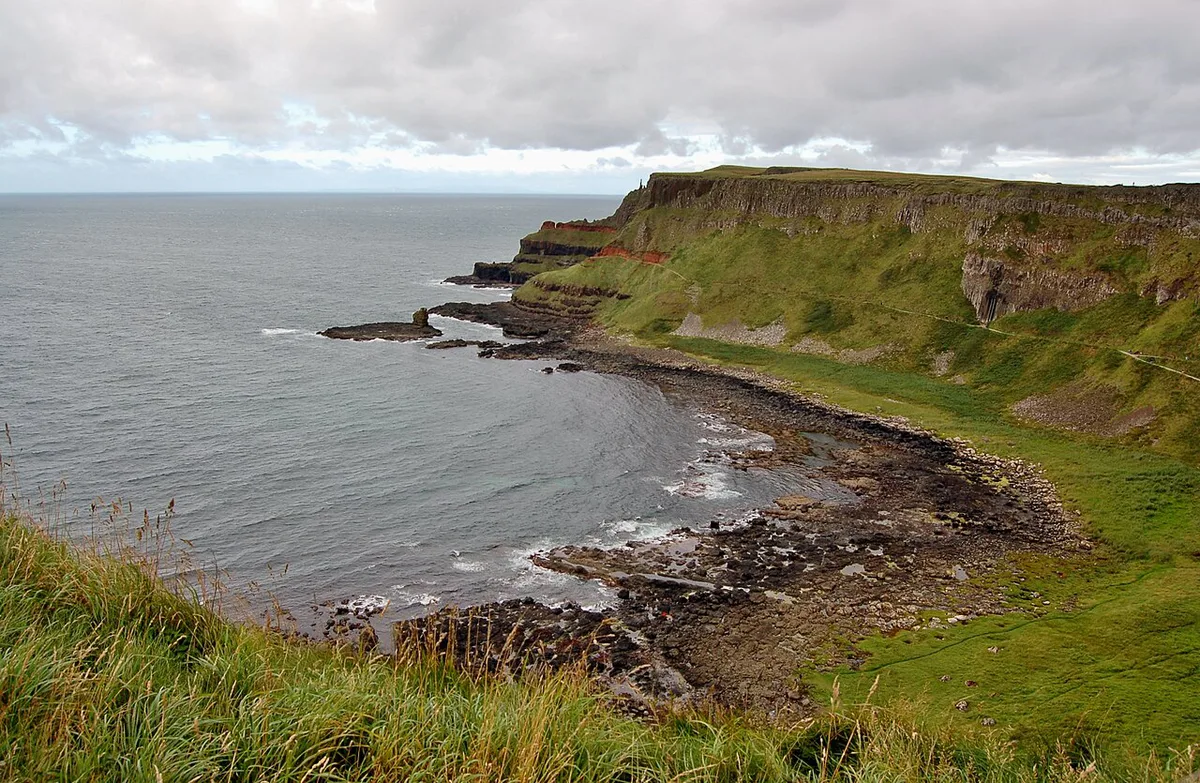
A short walk gives you the legend, the geology and the sea view together. Start at the visitor centre exhibits, which tell the story and explain the rock. Most visitors then walk down to the lower causeway, and the cliff path gives a wider view of the coast. Opening hours, tickets and access rules are set by the National Trust. Read them on the National Trust visit page before you set off.
- Self-guided: you set your own pace and can read the legend in advance. This works well if you already know the story.
- Guided: a storyteller adds local detail and answers questions. Compare the options on our guided tour page.
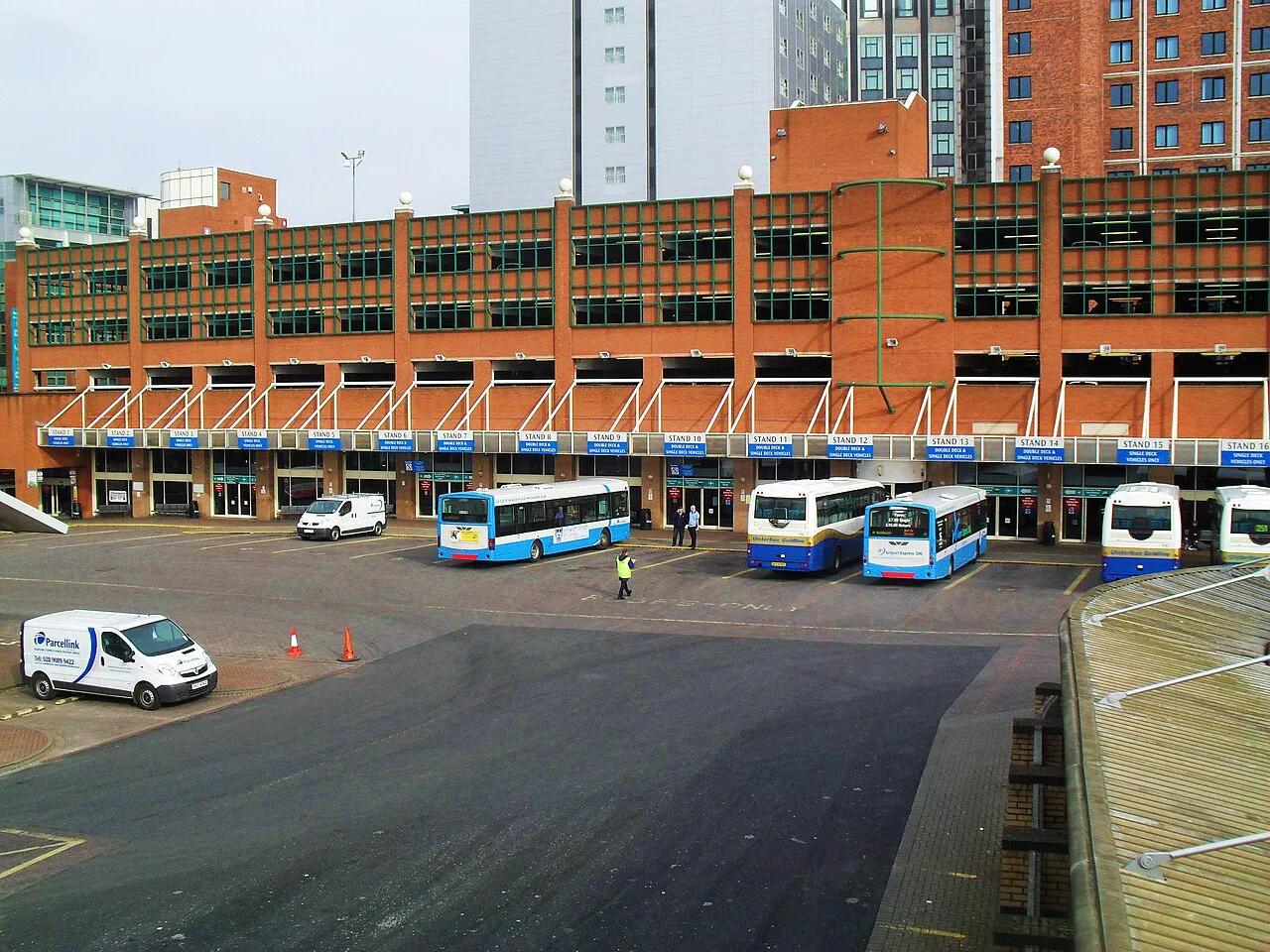
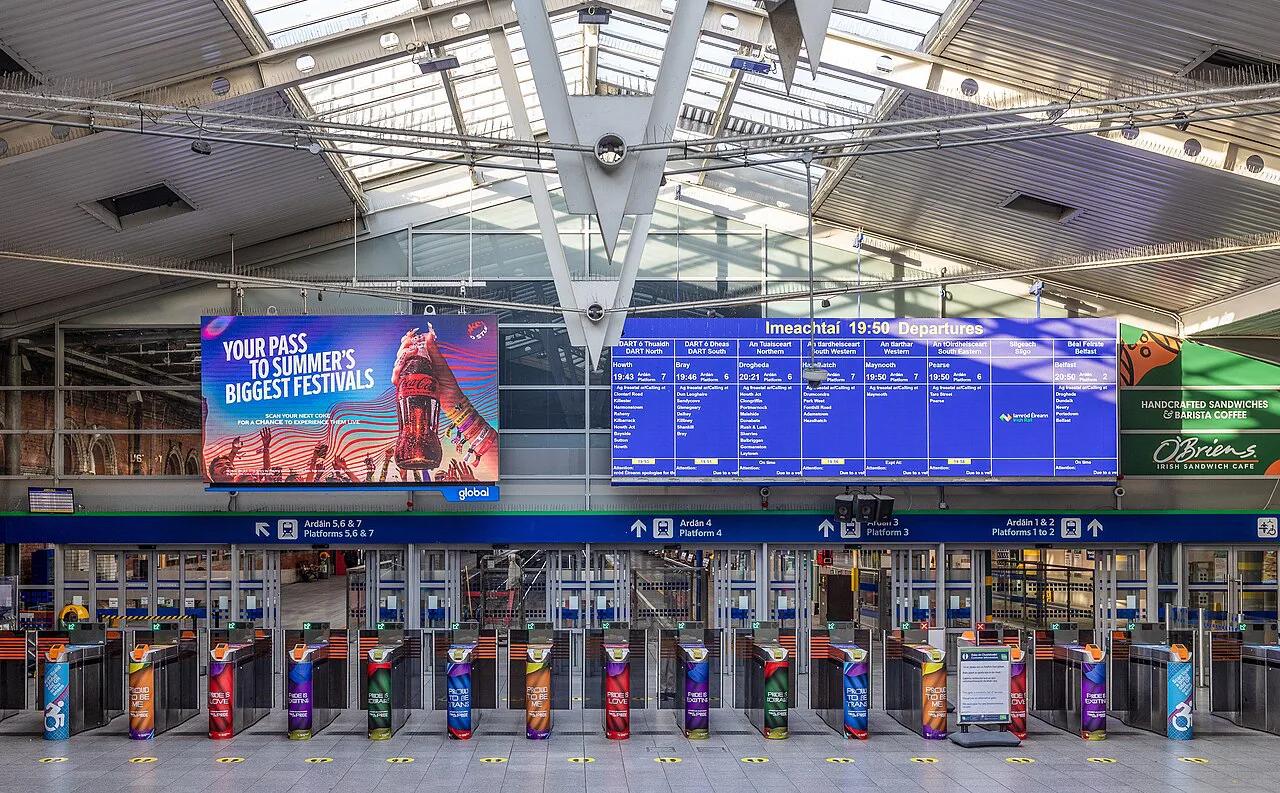
- Getting there: Belfast route options and Dublin route options cover the transport from each city.
- Driving: see parking at the Causeway for arrival rules.
- Mistake to avoid: wet basalt is slippery, so wear shoes with grip. The legend is easiest to appreciate when the stones are quiet, so go outside the busiest hours.
Frequently Asked Questions
What type of rock formation is the Giant's Causeway in Ireland?
It is a basalt formation. Lava cooled and cracked into columns, most of them six-sided, along the Antrim coast of Northern Ireland. UNESCO listed the site as a World Heritage Site in 1986.