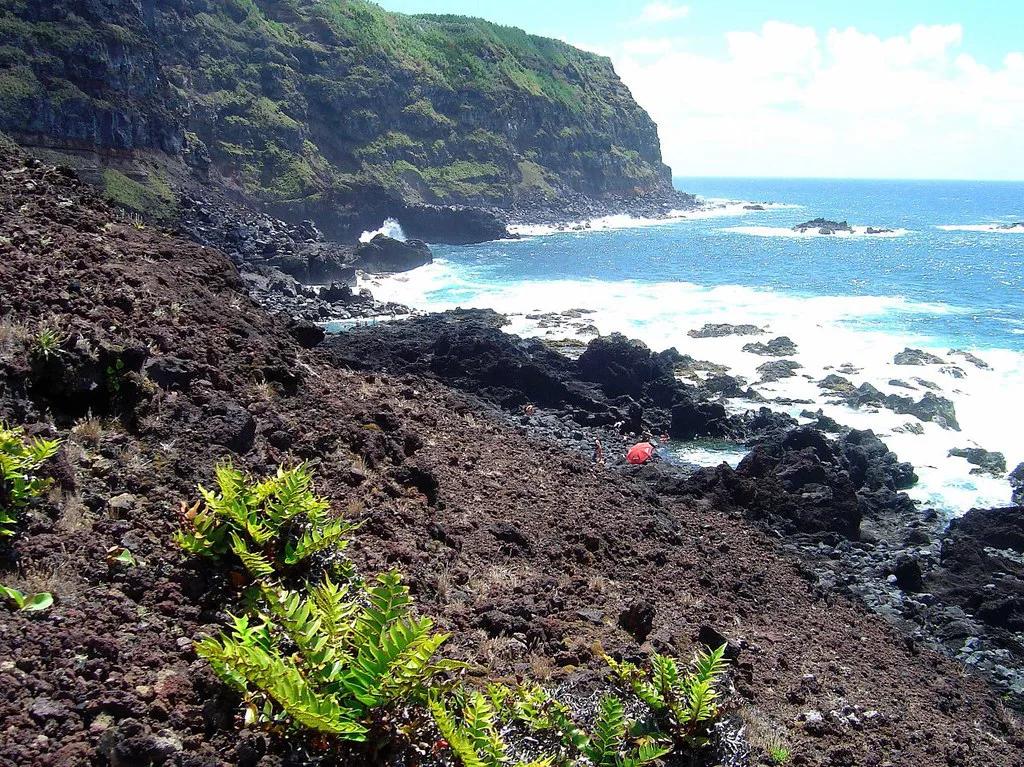
Last updated November 2026: Ponta da Ferraria is a free natural sea pool on São Miguel's west coast, where hot spring water mixes with the Atlantic below black lava cliffs. It is worth the drive if you can be in the water within about 2 hours of low tide and the sea is calm. Skip it at high tide or in heavy swell, when the pool turns cold and rough.
Featured image: Portuguese_eyes, CC BY-SA 2.0, via Flickr.
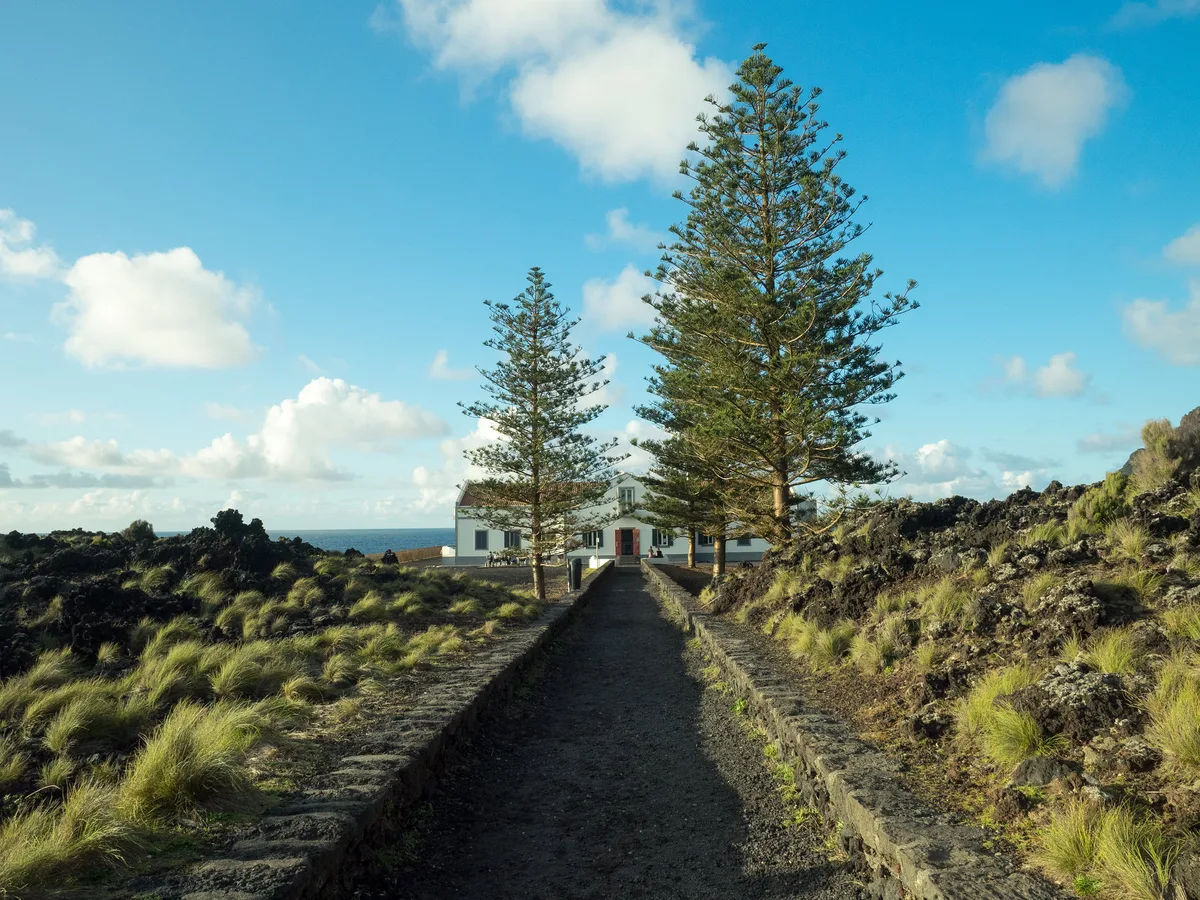
The Ponta da Ferraria tide rule: when the pool is warm
Hot spring water flows into the pool at a roughly steady rate, while the ocean keeps rising and falling. At low tide there is less cold Atlantic water to dilute the spring, so the pool runs warm and hot in places. At high tide the sea floods in and the pool turns cold and rough. As a rule of thumb, aim to be in the water within about 2 hours of low tide. Treat that window as a guide, because sources describe it slightly differently. Look up west-coast tide times before you plan anything else. Then check sea state on the IPMA weather and sea forecast, since tide alone does not tell you whether the swell is safe.
| Conditions | Water feel | Crowds | Go or skip |
|---|---|---|---|
| Low tide, calm sea | Warm, hot close to the vent | Busiest in summer | Go |
| Mid tide, calm sea | Mixed, cooler toward the ocean edge | Moderate | Go if low tide does not fit your day |
| High tide, calm sea | Mostly cold | Few people | Skip |
| Any tide, rough sea | Unpredictable and unsafe | Few people | Skip |
How to get there from Ponta Delgada
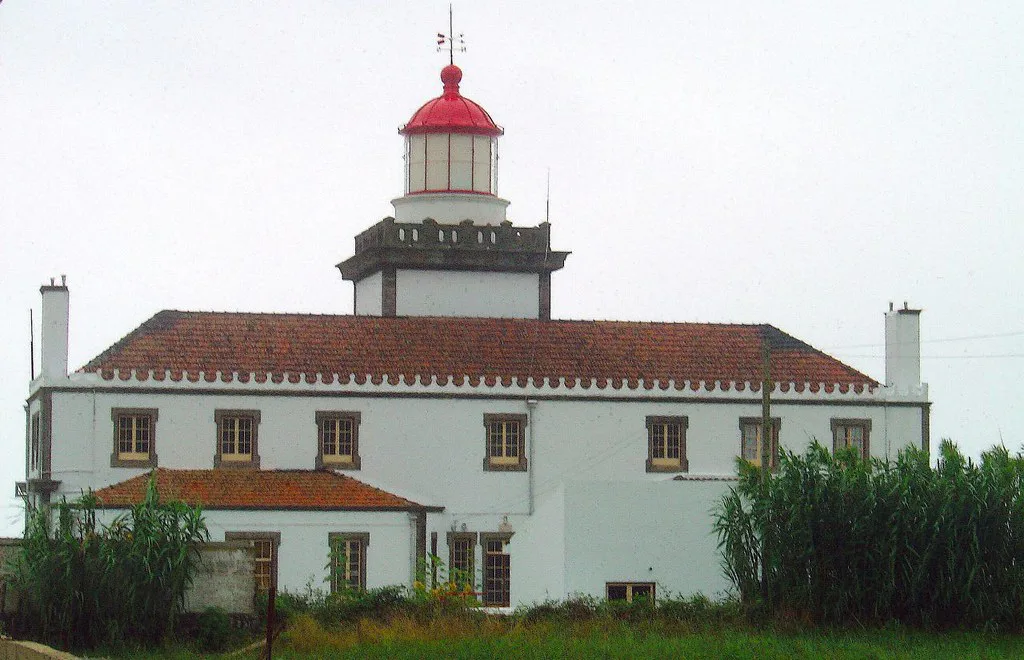
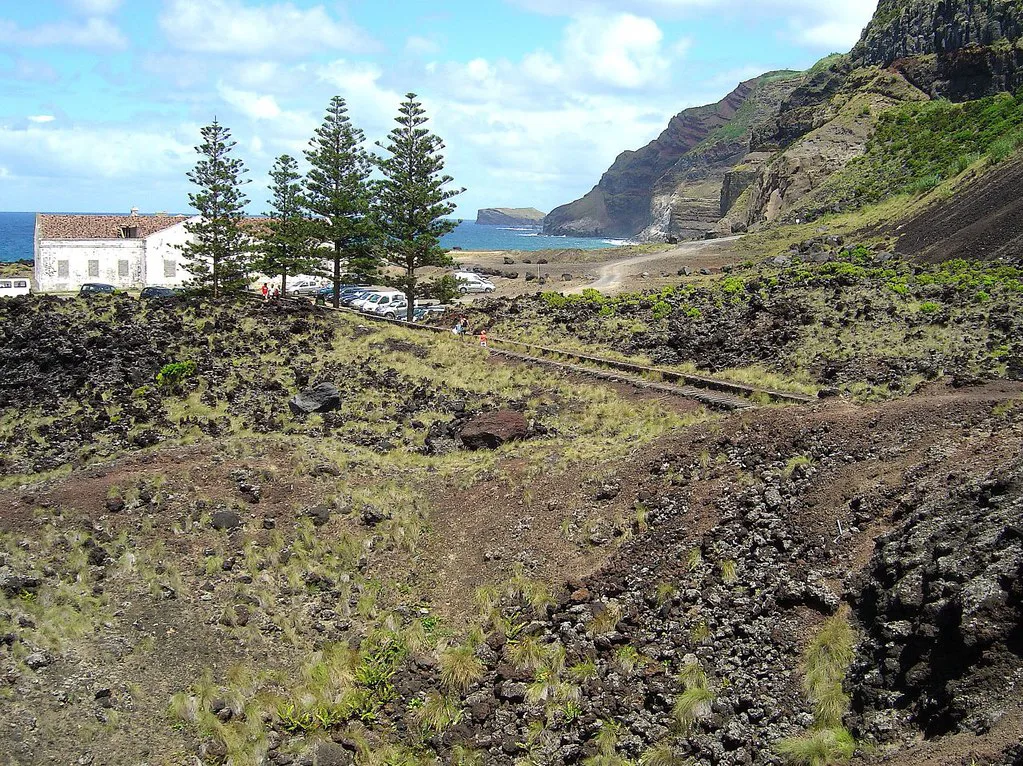
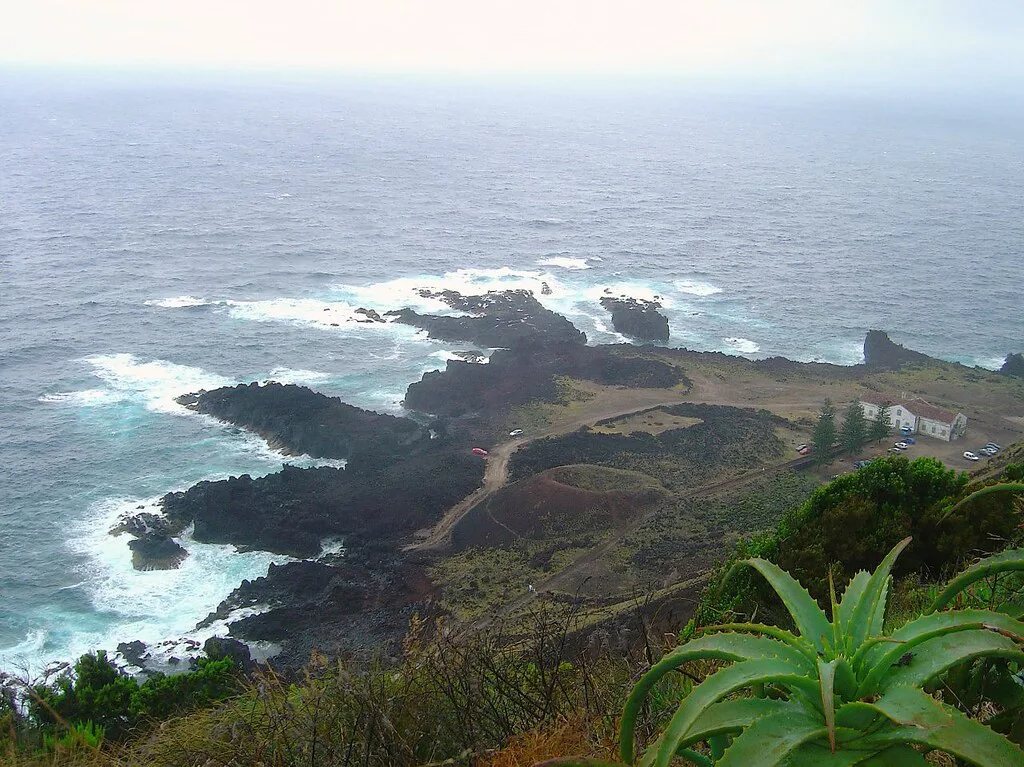
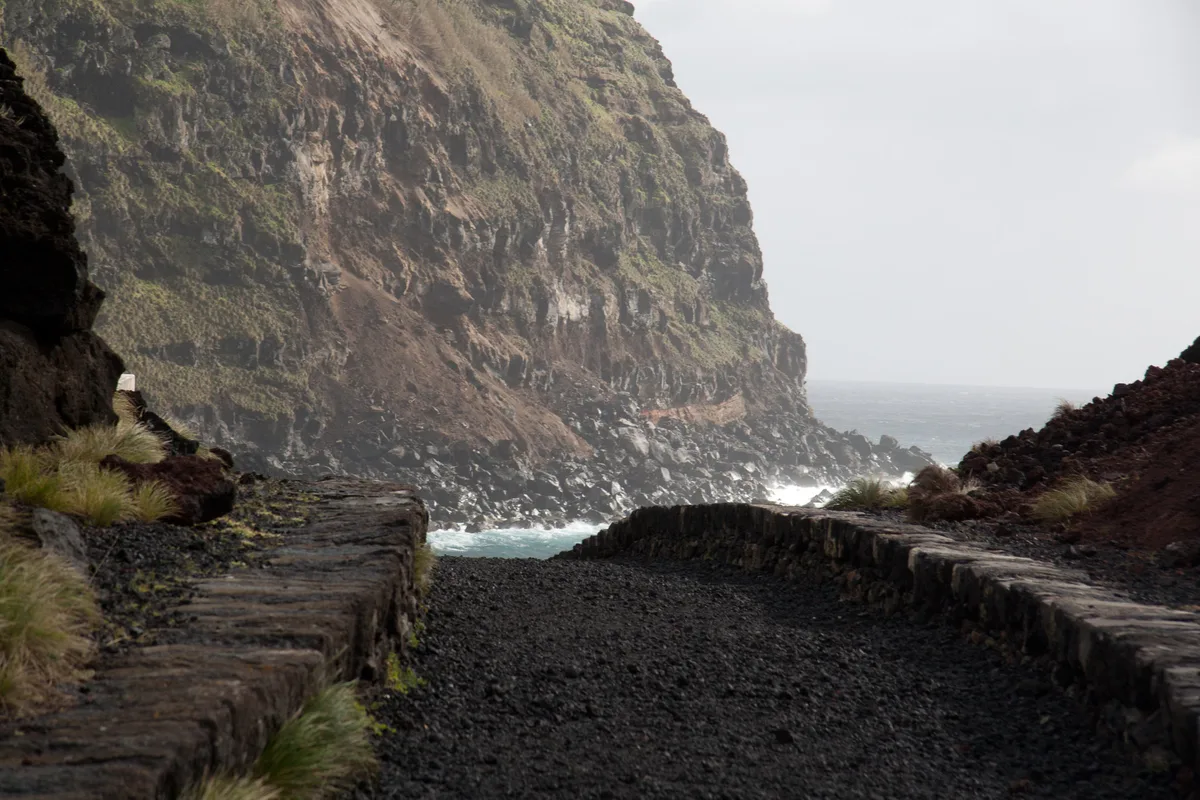
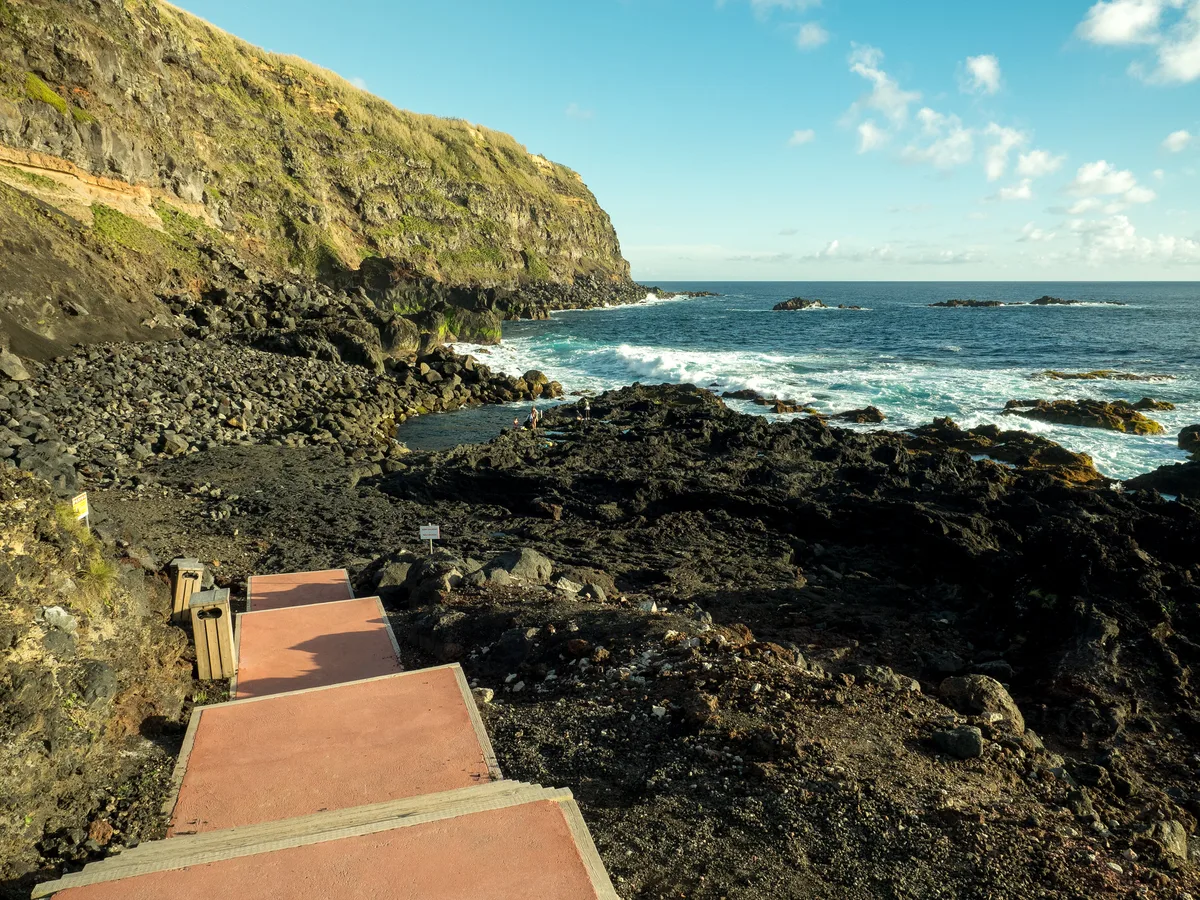
Ponta da Ferraria sits near the village of Ginetes, less than 30 km (about 18 miles) from Ponta Delgada. Allow roughly 40 minutes by car, and treat both figures as approximate. Drive to the parking area at the top of the cliff, next to the Termas da Ferraria spa. A paved road, reported closed to regular traffic, switchbacks down to the water. Walking down takes 5 to 10 minutes, and the climb back is steeper. For the western drive itself, read about driving west from Ponta Delgada. Public transport does not serve the site usefully, so the options without your own car are below.
Allow roughly 40 minutes by car from Ponta Delgada, and count that drive against the window of about 2 hours around low tide.
- Rental car: the most flexible choice, because you can shift the whole day around the low-tide window.
- Taxi or transfer: avoids parking and driving, but you must arrange the pickup time for your return. Agree the fare with the operator in advance.
- Organised tour from Ponta Delgada: simplest to book, but the fixed schedule may not match the tide. Compare the departure time with that day's low tide.
What to expect at the pool
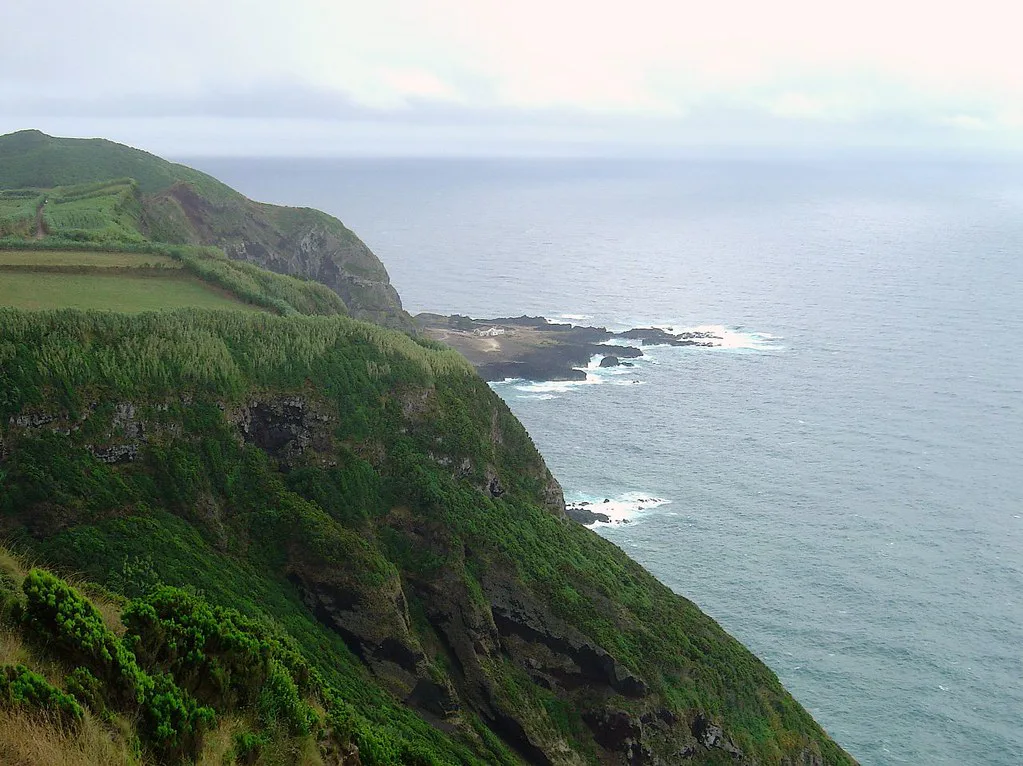
The pool is a round basin in the lava rock, partly enclosed, with a ladder for entry and fixed ropes across the water. Hold the ropes, because even at low tide the swell pushes you toward the rocks. Temperature changes by position. Near the spring it can be too hot to sit still, while the edges facing the ocean run cooler. Move around until you find your spot. Most visitors spend 45 minutes to an hour in the water, since the pool is small and shared. Expect basic changing rooms and toilets, but no shop at the pool. Descriptions of where the facilities stand vary, so bring your own water and a towel. If you walk the road down, stop at the Miradouro da Ilha Sabrina viewpoint for the basalt cliffs and the Farol da Ponta da Ferraria lighthouse.
Why the water is hot: the geology in brief
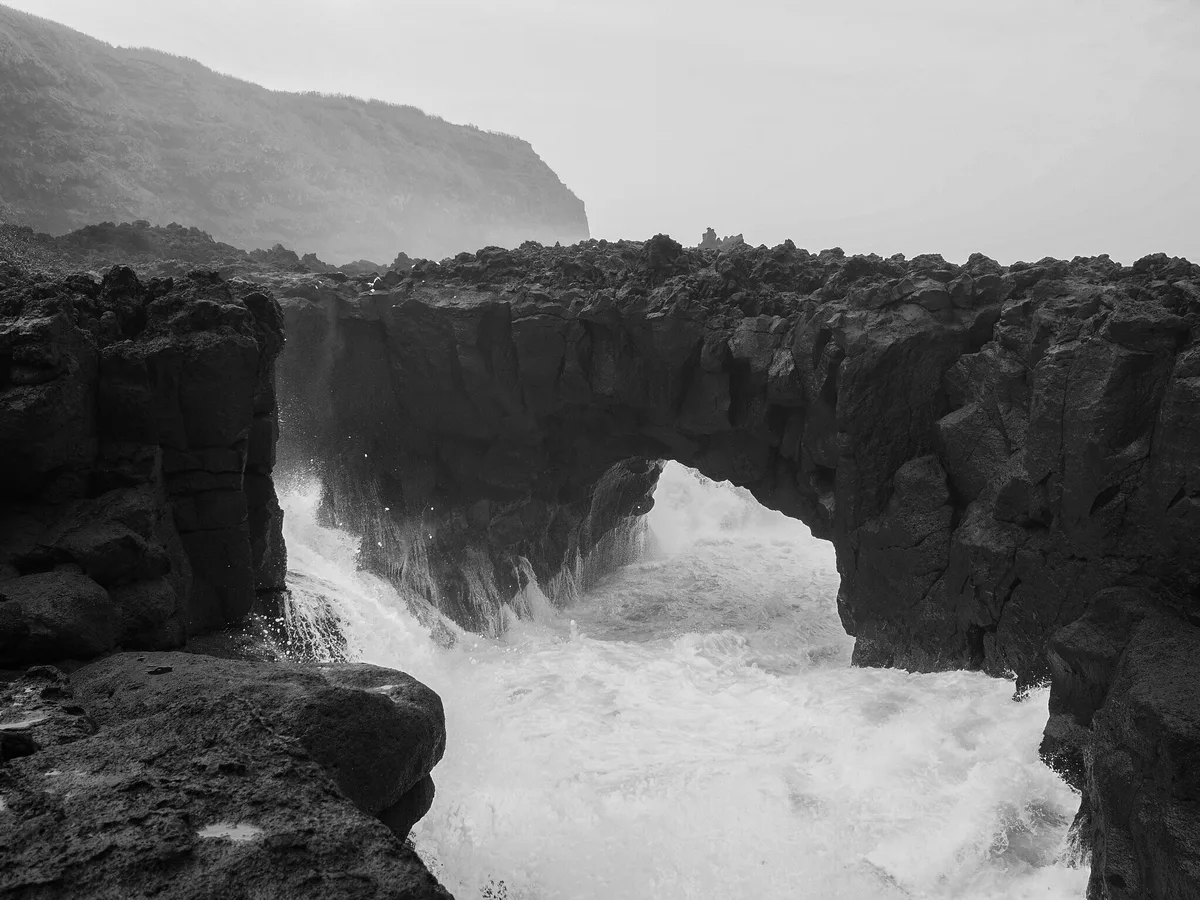
Ponta da Ferraria is a fajã, a flat platform formed where lava poured into the sea and cooled. It belongs to the same western volcanic system as the craters at Sete Cidades. Rain seeps into fractured rock, heats at depth, and rises at the shoreline. The spring is reported at around 61°C (about 142°F), while the ocean ranges from 18°C to 28°C (about 64°F to 82°F) through the year. The name Ferraria comes from the Portuguese word for iron, and one popular explanation is that mineral-rich water stains light fabric. Health claims about the water rest on thin evidence, so enjoy it as a warm sea bath. The Azores Geopark describes the island's volcanic landscapes in more depth.
Spring water at 61°C meets Atlantic water running 18°C to 28°C, so the tide decides how warm the pool feels.
Safety and who should skip it
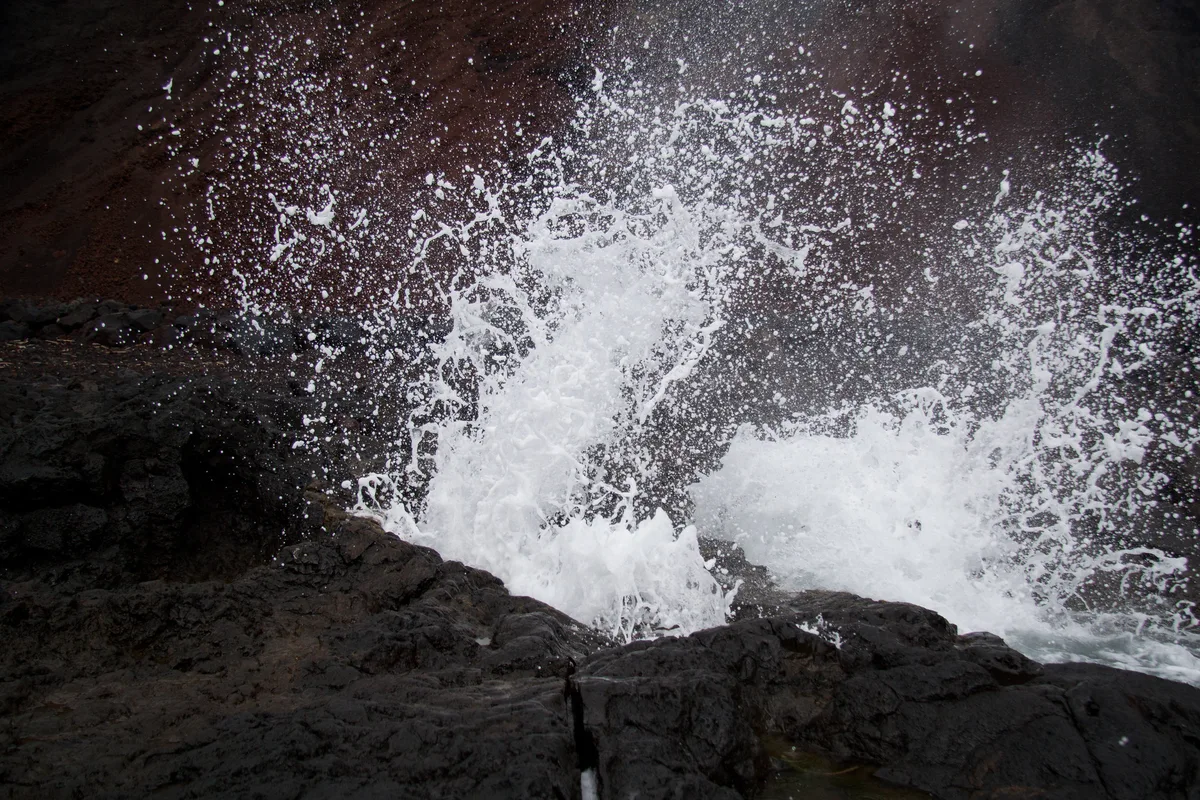
Lifeguard cover is seasonal and not guaranteed. Ask on site and do not rely on it. Use the ropes, wear water shoes on the sharp basalt, and stay out of rough water. Winter swell can make the pool unsafe, so check sea state rather than tide alone.
- Confident swimmers: a good fit in calm conditions at low tide.
- Families with young children: generally suited only to a very flat sea, and weak swimmers should stay out.
- Mobility-limited visitors: the steep climb back up and the lack of pool-side facilities make the pool a poor choice. The viewpoint and the spa are easier.
- Non-swimmers: enjoy the Miradouro da Ilha Sabrina viewpoint and the lighthouse, and skip the water.
- Spa seekers: the paid Termas da Ferraria spa is the calmer option.
Free sea pool vs Termas da Ferraria spa
Two separate things share the name. The natural sea pool is free and described as open around the clock, though rough seas or path closures can still stop access. Termas da Ferraria is a private spa beside the parking area, offering thermal treatments. Its prices and hours are not published here, so check the operator's own website. Elsewhere on São Miguel, Caldeira Velha is a forest thermal pool, Terra Nostra is a garden thermal pool, and the Furnas pools sit inland. Ferraria is the only one of these set in the ocean, and it is free, wild and exposed.
| Free sea pool | Termas da Ferraria spa | |
|---|---|---|
| Cost | Free | Paid; see the operator's site |
| Setting | Lava basin on the shoreline | Private spa by the parking area |
| Facilities | Ropes, ladder, basic changing rooms | Treatments and spa facilities |
| Swell exposure | High; depends on sea state | Sheltered from the swell |
| Best for | Confident swimmers who want a wild soak | Visitors wanting calm, treatments, or a day with no tide planning |
When to visit: season, time of day, crowds
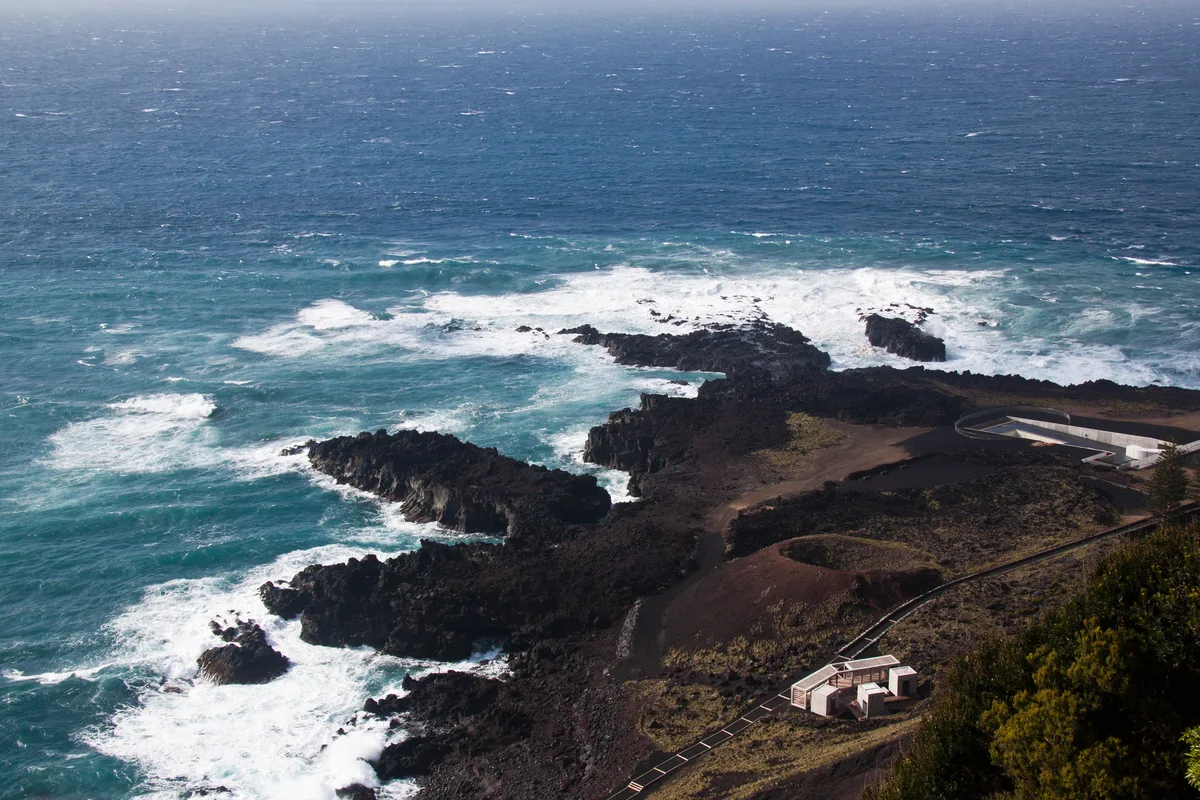
Summer, roughly June to September, brings the calmest seas and the warmest air. It also brings the biggest crowds, especially at low tide. April, May and October are quieter, though sea state still needs a check. Winter is a gamble, because a calm low-tide day can be superb while a stormy week closes the pool in practice. A calm low-tide evening is often the sweet spot, with fewer people and low west-coast light. Use Sete Cidades weather patterns as a guide to cloud on the west side. For wider trip planning, the regional site Visit Azores is a good starting point.
What to bring and common mistakes
Pack as for a remote beach, because nothing is sold at the pool. A phone light matters if you stay for sunset, since the cliff path gets dark quickly after the sun drops.
- Bring: water shoes, dark swimwear and towel, drinking water, sun protection, a warm layer, and a phone light.
- Mistake: ignoring the tide. Sun at high tide still means a cold pool.
- Mistake: wearing light swimwear, which may stain in the mineral water.
- Mistake: skipping water shoes on sharp basalt.
- Mistake: entering in rough seas, even at low tide.
- Mistake: underestimating the 5 to 10 minute climb back up after a relaxing soak.
- Mistake: confusing the free pool with the paid spa.
- Mistake: walking the path in the dark after sunset.
Combining Ponta da Ferraria with Sete Cidades and Mosteiros
Build the day around the low-tide window, not the other way round. Sete Cidades is roughly 25 minutes away by car, so the stops sit close together. Mosteiros lies on the same western corner, and a full day on this coast is easy to fill. Drive times here are approximate. If low tide falls in the morning, flip the plan and swim at Ferraria first.
- Morning: the Vista do Rei viewpoint and the crater lakes, before cloud builds. See 8 Best Things to Do in Sete Cidades, Azores: Viewpoints and Planning Guide for the wider area.
- Midday: lunch and sea stacks at Mosteiros.
- Afternoon: Ponta da Ferraria, timed to the low-tide window.
- Evening: sunset over the Atlantic, then the drive back to Ponta Delgada.
Frequently Asked Questions
Is Ponta da Ferraria free?
Yes, the natural sea pool is free to enter. Termas da Ferraria, the spa beside the parking area, is a separate paid experience, so check the operator's website for its current prices.
Is Ponta da Ferraria closed?
The pool is described as open around the clock, with no gate. Rough seas, rockfall or path closures can still make it unsafe or inaccessible. Check sea state on the IPMA forecast and look for warnings at the top of the cliff before you walk down.